For Zero Waste Week, we’re taking a closer look at what happens to our unavoidable food waste once it leaves our depot and how we’re turning something that would otherwise be discarded into a valuable resource.
Since January, we have sent 4,250kg of food waste for processing, helping to generate 1,147.50 kWh of renewable energy and saving 1.96 tonnes of CO₂.
But what happens to our food waste after it leaves us?
From food waste to renewable energy
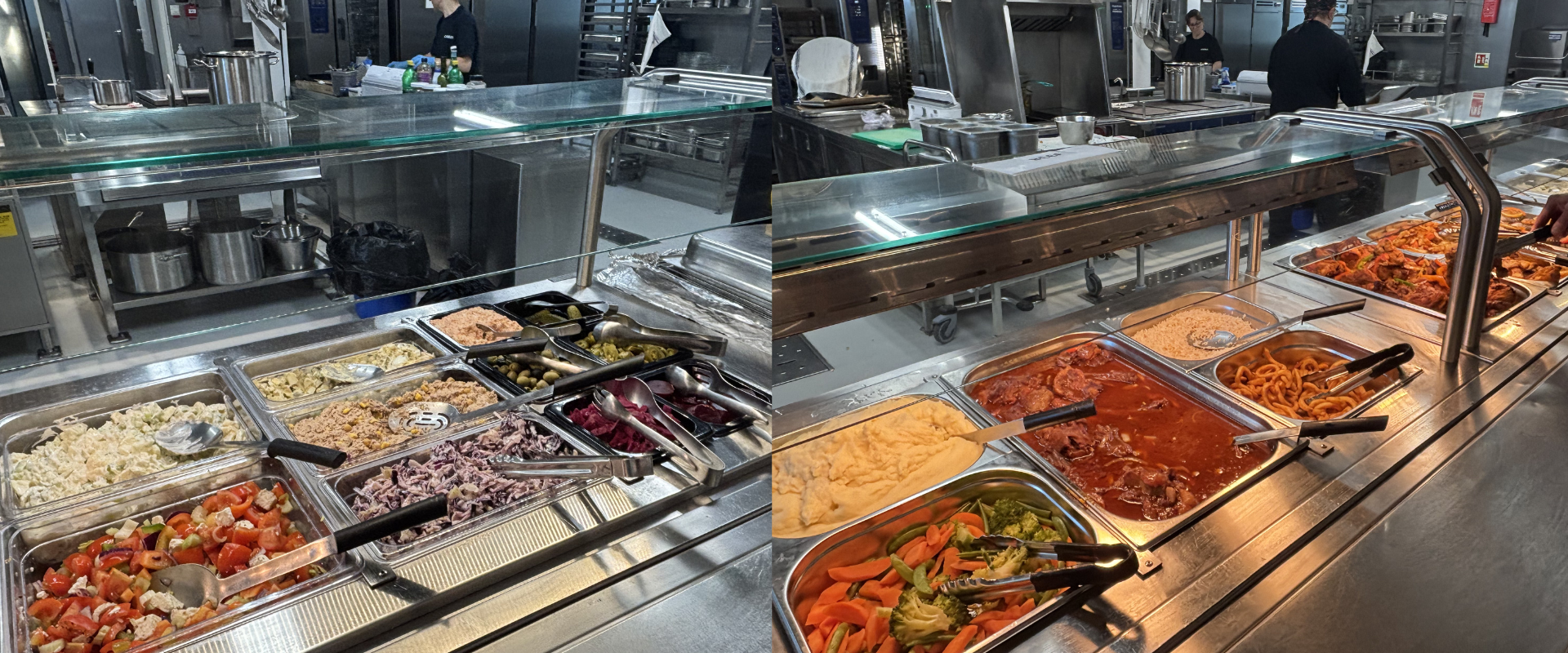
We separate our operational food waste so that it can be collected and processed rather than simply sent to landfill.
This is where ReFood comes in.
ReFood is a specialist food waste recycling service that collects food waste and processes it through anaerobic digestion, a natural process that uses microorganisms to break down organic material in an oxygen-free environment.
The process creates two valuable outputs: renewable energy and nutrient-rich bio-fertiliser.
The cycle works like this:
1. We separate our food waste
Unavoidable food waste is separated from other waste streams. This means it can be collected specifically for recycling and recovery.
2. ReFood collects it
Rather than our food waste being sent to landfill, ReFood collects it and transports it to an anaerobic digestion facility for processing.
3. Anaerobic digestion gets to work
At the facility, the food waste is fed into an anaerobic digestion system. Microorganisms naturally break down the organic material in the absence of oxygen, producing biogas.
4. Biogas becomes renewable energy
The biogas can then be used to generate renewable energy, helping to reduce reliance on fossil fuels and make productive use of the energy contained within the food waste.
5. The cycle continues through bio-fertiliser
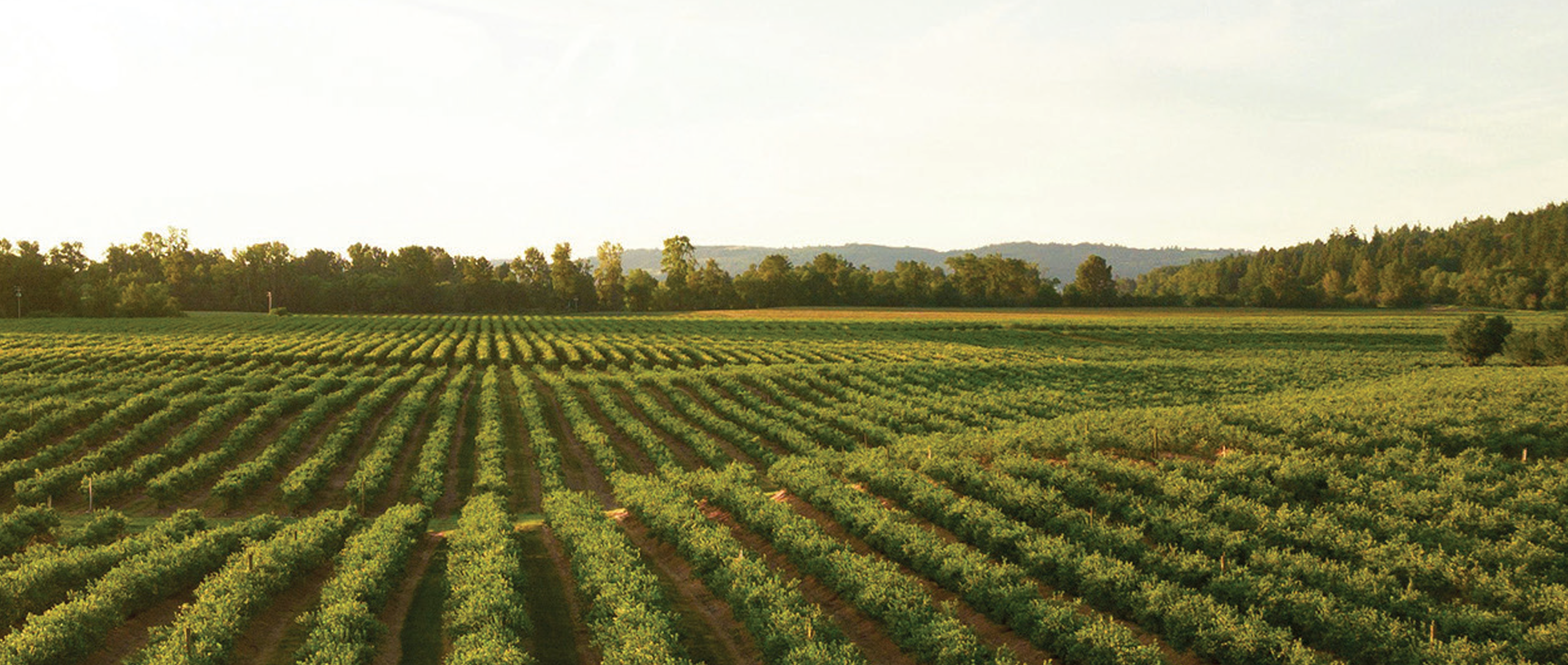
Anaerobic digestion also produces a nutrient-rich material known as digestate. This can be processed into bio-fertiliser and returned to agriculture, providing nutrients for crops and helping to complete the cycle.
Continuing our journey towards net zero
Sustainability is an ongoing journey, and there is no single solution to reducing environmental impact. From how we manage waste to the choices we make across our operations, we’re continuing to look for practical ways to improve our environmental performance.
Our partnership with ReFood is one part of that journey, helping us make better use of our unavoidable food waste while contributing to renewable energy generation.